Understanding the Differences: Auto Transport vs. Traditional Shipping

Understanding Auto Transport
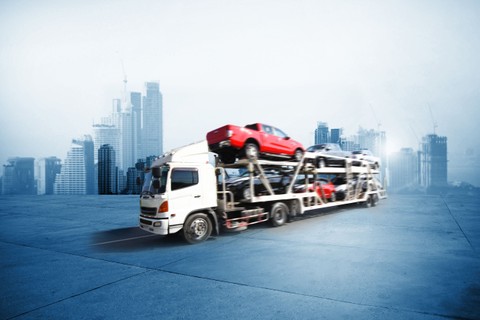
When it comes to moving a vehicle from one location to another, auto transport is a specialized service designed to handle this task efficiently. Unlike traditional shipping methods, which may involve multiple handling and transfer points, auto transport provides a direct route from the origin to the destination. This service is particularly beneficial for long-distance moves, where driving the vehicle yourself would be impractical or costly.
How Auto Transport Works
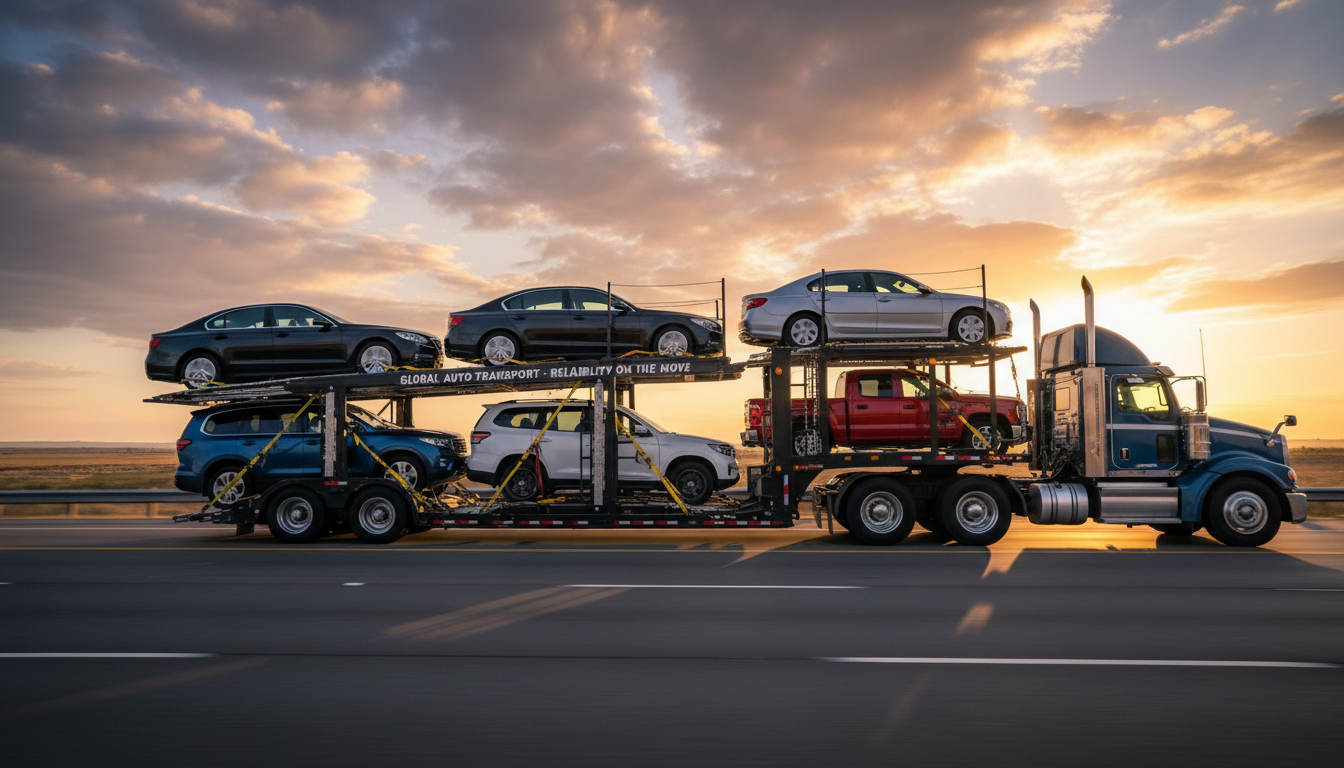
Auto transport involves loading the vehicle onto a specialized carrier, which may be open or enclosed, depending on the service you choose. Open carriers are more common and economical, whereas enclosed carriers offer additional protection against the elements, making them ideal for high-value or classic cars. The entire process is streamlined to minimize risks and ensure the safe arrival of your vehicle.
Traditional Shipping Explained
In contrast, traditional shipping refers to the movement of goods through conventional methods such as trucks, trains, ships, or planes. This method is typically used for general cargo and may involve various modes of transport, each with its own set of logistical challenges. For instance, shipping a package might require coordination between different carriers and handling facilities.

Pros and Cons of Traditional Shipping
The main advantage of traditional shipping is its versatility. It's suitable for a wide range of goods and can be tailored to meet specific delivery needs. However, the process can be slower and more complex, especially for large or irregularly shaped items. Additionally, traditional shipping methods often involve more handling, which can increase the risk of damage.
Cost Comparison
When it comes to cost, auto transport may appear more expensive at first glance. However, when you factor in the convenience and reduced risk of damage, it can be a more economical choice for vehicle transportation. Traditional shipping might offer lower upfront costs, but the potential for additional fees and delays can add up.

Choosing the Right Service
The decision between auto transport and traditional shipping ultimately depends on your specific needs. If you're looking to move a vehicle across a long distance, auto transport is likely the more efficient and reliable option. For general goods, especially those requiring varied transport modes, traditional shipping remains a viable choice.
Conclusion
Understanding the differences between auto transport and traditional shipping can help you make informed decisions for your transportation needs. By weighing the pros and cons of each method, you can select the service that best aligns with your priorities, whether it's cost, speed, or safety.