Heavy Equipment Transport Solutions: What You Need to Know Before Shipping


Understanding Heavy Equipment Transport
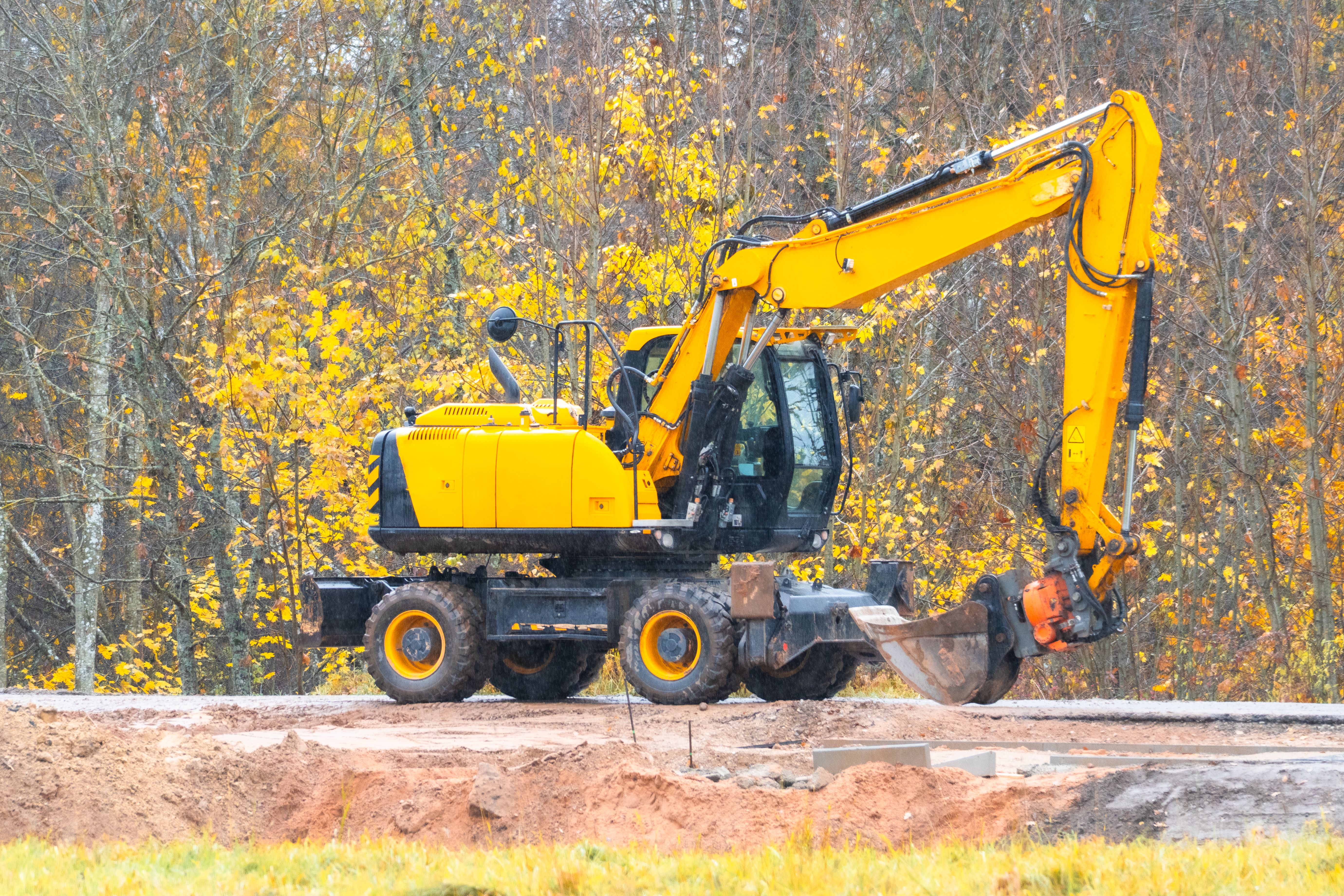
Shipping heavy equipment can be a complex task requiring meticulous planning and specialized knowledge. Whether you're transporting construction machinery, agricultural equipment, or industrial tools, understanding the logistics involved is crucial. This guide delves into the essential elements of heavy equipment transport, ensuring a smooth and efficient shipping process.
Key Considerations for Shipping
Before initiating the transport process, there are several key factors to consider. First, determine the dimensions and weight of the equipment to ensure compatibility with transport vehicles. Oversized or overweight machinery may require special permits or escort vehicles, impacting the overall cost and logistics.
Next, consider the type of transport needed. Options include flatbed trucks, lowboy trailers, and specialized transporters designed for unique equipment shapes and sizes. Selecting the right method is essential for safe and efficient delivery.
Preparing Your Equipment
Proper preparation of your equipment is vital. Start by cleaning the machinery to remove dirt and debris. This not only protects the equipment but also ensures compliance with state and international shipping regulations. Secure any loose parts and drain fluids to prevent leaks during transit.

Documentation is another critical aspect. Ensure all necessary paperwork, including permits and insurance, is in order. Detailed records of the equipment's condition before shipping can help resolve any disputes related to damages incurred during transport.
Choosing the Right Transport Provider
Selecting a reliable transport provider is crucial. Look for companies with experience in heavy equipment shipping and a proven track record. Read reviews, request quotes, and compare services to find the best match for your needs.
Ensure that the provider offers real-time tracking and communication throughout the transport process. This transparency can provide peace of mind and allow you to monitor the shipment's progress.

Cost Considerations
The cost of heavy equipment transport can vary significantly based on factors such as distance, equipment size, and required permits. To get an accurate estimate, provide detailed information to potential transport providers. Request a breakdown of costs to understand where your money is going.
Consider additional expenses, such as insurance, which can protect against potential damages or losses during transit. While this might increase upfront costs, it offers invaluable protection and peace of mind.
Conclusion
Shipping heavy equipment requires careful planning, knowledge of regulations, and the right transport partner. By understanding the process and considering all necessary factors, you can ensure a successful and stress-free transport experience. Whether you're moving equipment locally or internationally, these insights will help you navigate the complexities of heavy equipment transport.